
The first proper green of spring is often one you cannot touch with bare hands. Stinging nettles push up through hedgerow bottoms and field edges from March, and they are the most rewarding wild food a beginner can learn. They are abundant, they regrow after cutting, they taste somewhere between spinach and cucumber, and they cost nothing. The sting is real but brief, and it stops the moment you pull on a pair of thick gloves. Everything after that is soup.
Stinging nettle (Urtica dioica) grows in dense, upright clumps on ground that is rich in nitrogen: hedgerows, field margins, old farmyards, riverbanks, compost heaps and the shaded corners behind sheds. The stems are square rather than round, the leaves sit in opposite pairs, and each leaf is heart-shaped at the base with a pointed tip and a saw-toothed edge. The whole plant is covered in fine, pale hairs. Brush against it and you will know within seconds.
Pick young plants, roughly knee-high or shorter. Older nettles get tough, gritty and bitter, and the sting seems to linger longer.
White dead-nettle and red dead-nettle have similar leaves and grow in similar places, but they carry obvious white or purple flowers and they do not sting. Hedge woundwort is another one that gets misidentified; crush a leaf and it smells unpleasant rather than green. The easy rule is this: if a light brush against the back of your hand produces nothing, it is not a stinging nettle. The sting itself is harmless to most people, just irritating, so a small test is not a risk.
Nettles are at their best from March to early May, before the plants flower. Once you see the greenish tassels of seed forming, the leaves start to develop gritty crystals that are rough on the kidneys and unpleasant to eat. Most foragers stop picking at that point.
The useful trick is that nettles regrow. Cut a patch back and in two or three weeks you have a fresh flush of tender tops, so a June haircut can give you another picking. After the first hard frost the plants die back to the ground, and then it is over until next spring.
Check the rules for your area before you fill a bag. It takes a minute and saves an awkward conversation.
Heat destroys the sting, so a brief blanching is all the courage you need. Drop the leaves into boiling water for 30 to 60 seconds, or tip them into a colander and pour a full kettle over them. They collapse like spinach and turn a deep, glossy green. Squeeze out the water, chop, and carry on. A blender will also break the hairs, but gloves are still wise until the nettles hit the heat.
The flavour is earthy and slightly iron-rich, with a fresh grassy note. Young leaves need nothing more than butter and a pinch of salt.
Nettle soup. Soften an onion in butter, add a chopped potato and a litre of stock, simmer until the potato is soft, then stir in a large bag of blanched nettles and warm through. Blend, season, grate in nutmeg and finish with a spoon of cream or yoghurt.
Nettle pesto. Blanched nettles, a clove of garlic, toasted hazelnuts, grated hard cheese, olive oil and a squeeze of lemon, blitzed to a rough paste. Toss through pasta or spread on toast.
Nettle omelette. Use blanched, chopped nettles anywhere you would use spinach: frittata, scones, filo pies, mashed potato. A mug of boiling water over a handful of fresh leaves, left for five minutes and strained, makes a decent green tea too.
Blanched nettles freeze beautifully in small portions, so a spring bag can keep you in soup through winter. As with any new food, start with a modest portion. If you are pregnant or breastfeeding, or you take diuretic or blood-thinning medication, or you are managing a kidney or heart condition, check with a doctor or pharmacist before eating nettles in quantity. If you do get stung, cool running water helps more than folklore does.
Nettles earn their place. The caterpillars of peacock, small tortoiseshell and red admiral butterflies feed on them, and a stand of nettles is one of the best bits of habitat a hedgerow can offer. Take from the middle of a big clump rather than the isolated plants at the edge, and leave most of each patch standing. That way the butterflies get their leaves and you get your soup, and next March the same spot will be waiting.
Choose a dry Saturday in April. Put on boots, grab thick gloves, scissors and a cloth bag, and walk to a big nettle clump on a quiet lane well away from traffic. Spend fifteen minutes taking the top leaves from a few dozen plants. At home, blanch the lot for a minute, squeeze it dry, and make the soup above. Pick only what you will cook, write down where the patch is, and come back in three weeks for the second flush. One plant, one recipe, one season at a time is how foraging actually sticks.

A practical checklist of the rural waste mistakes that cost you time, money and good neighbourly relations — from...
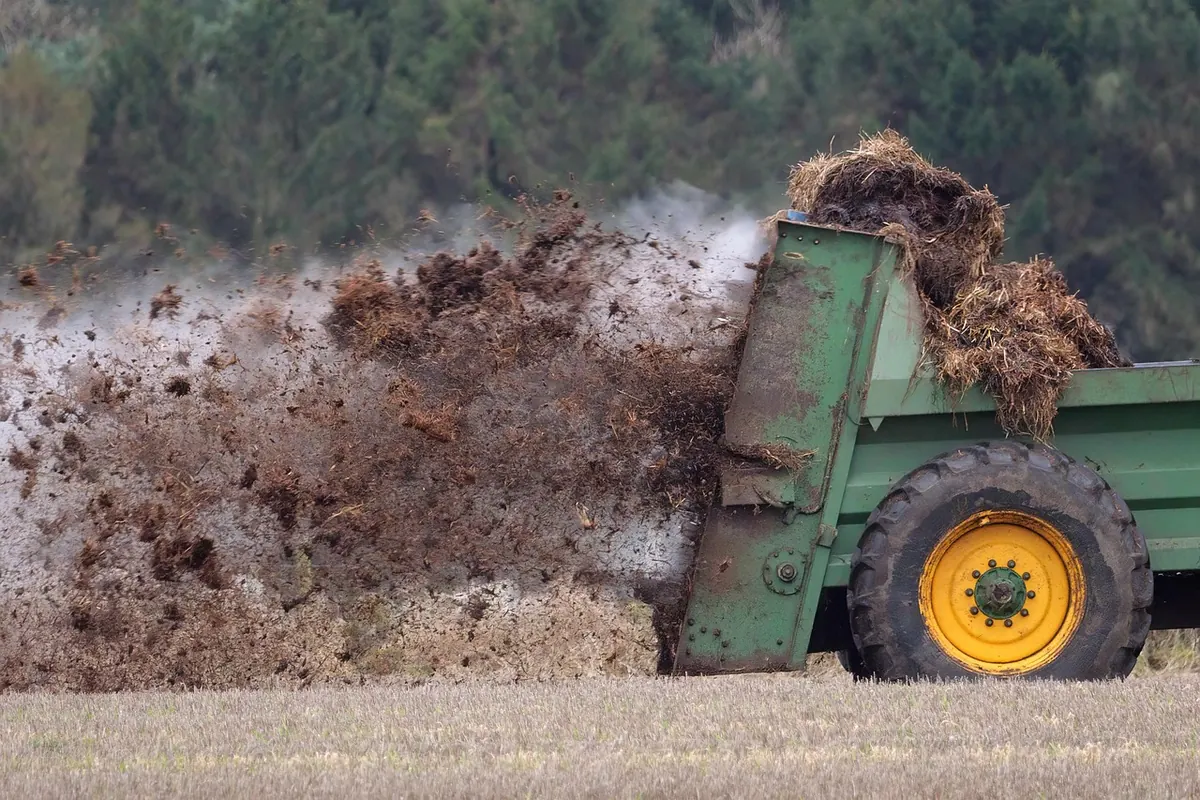
A practical guide to when muck goes on, how to get it right for your soil, and the local rules worth checking first.

Hedges, post-and-rail, stock netting and dry stone walls each suit different jobs — here is how to pick the one your...

A cozy nook for countryside living and nature..
