Rural recycling rarely looks like the leaflet the council posts through the door. The lane is half a mile long, the collection lorry won't come down it, the wind takes the boxes into the hedge, and the nearest household waste recycling centre is a forty-minute round trip. None of that means giving up on it. It just means the rules of thumb you learned in a town house need adjusting.
What follows is the list of errors that come up again and again on farms, smallholdings and out-of-the-way cottages — plus what to do instead.
Rural rounds are often run differently from urban ones: different days, different containers, sometimes a collection point at the end of the lane rather than at your door. Households that assume otherwise end up with a fortnight of recycling rotting in a box by the gate and a note from the crew.
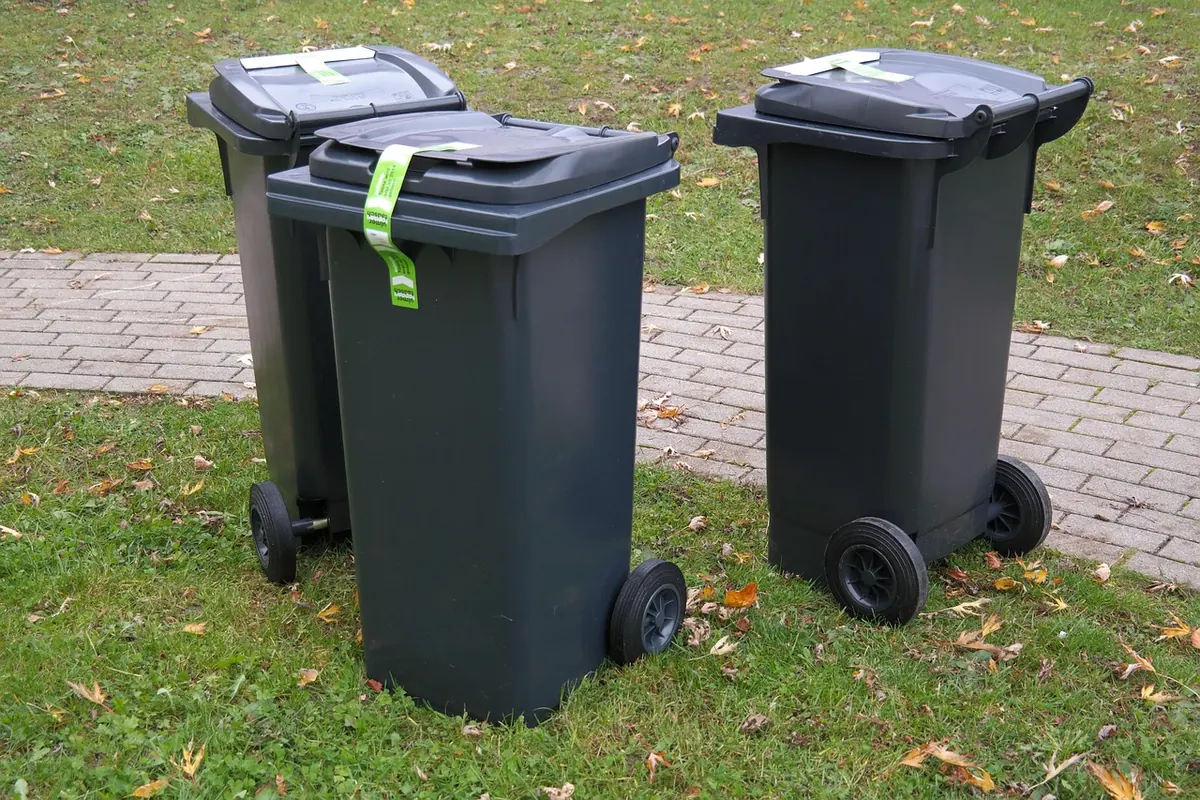
Two habits prevent most of it. First, check your council's actual schedule for your postcode rather than the one printed in a leaflet three years ago. Second, treat the wind as a design problem. Weighted lids, a cargo net over the box, or a lidded wheeled bin solve the classic rural embarrassment of chasing yogurt pots across a field. Write your house name or number on every container you leave out; in a hamlet where nobody has a street number, that is the only thing that gets it back to you.
Most rejected loads are not rejected because of one dramatic mistake. They are rejected because of small, greasy, wet things mixed in among the good stuff. A single unrinsed jar of curry sauce can spoil a whole compartment.
Lids, labels, shredded paper, aerosols and glass: the rules genuinely differ between councils, so look yours up once and keep a note on the fridge. Guessing is what causes the arguments.
Grass cuttings in the general waste bin are a wasted resource and, in many areas, a reason for the bin to be left unemptied. Garden waste collection is often a paid subscription in rural districts, and it is usually worth it if you have a lot of hedge trimmings — but a compost heap handles a surprising amount for free.
Have a plan for the bulky stuff. Chipping is the quiet alternative to burning, and the chippings make decent path or mulch material. If you do have a bonfire, keep it well away from hedges and check the wind before you light anything.
Bonfires cause more rural disputes than almost anything else. Dry garden waste burned on a still evening sends smoke straight into a neighbour's open window, and what started as a tidy-up becomes a complaint. Wait for a day with a light, steady breeze and burn dry material only.
Never burn treated timber, painted wood, plastics, rubber, foam, tyres or anything you don't recognise. Burning mixed household waste releases nasties you don't want drifting over your own vegetable patch, and if the smoke causes a nuisance or drifts across a road, it can become a matter for the council. Petrol and other accelerants are a serious burn risk; if a fire needs petrol, it needs a different plan.
A bonfire that is left unattended is not a bonfire that is under control. Stay with it, keep water or a hose to hand, and let the ash cool properly before you move it.
Rules on smoke, garden waste and any local restrictions vary, so if you are unsure whether you can burn something on your land, ask your local authority before you light up rather than after.
If your property has a gateway on a quiet lane, someone will eventually consider it a convenient place to leave a mattress, a fridge or a trailer-load of builder's rubble. Prevention is mostly about visibility and access. Keep gates closed and, where practical, locked. Don't leave a skip or a trailer sitting in plain view overnight if you can avoid it.
The bigger risk is the waste you hand over yourself. Anyone taking waste away from your property — a builder, a gardener, a man with a van — is legally expected to deal with it properly, and if it ends up dumped, the trail can lead back to you. Ask to see their waste carrier registration, take a photo of it, and get a written receipt with the date and what was removed. A suspiciously cheap quote for "taking it away" is often a quote for leaving it in a layby.
Paint tins, engine oil, pesticides, veterinary chemicals, tyres, white goods and old fencing all need more thought than a bin. Your household waste recycling centre is usually the answer, but check the rules before you load the trailer: many sites require a permit for vans, trailers and tipper trucks, and opening hours are often shorter in winter. Take chemicals in their original containers where you can, and never mix different products together.
Asbestos, agricultural chemicals and anything you cannot identify should be treated as a professional job. Ask your council or a licensed waste contractor for advice rather than improvising. Where there is any doubt about legal obligations around waste, employment or farm chemicals, it is worth taking proper advice rather than relying on what a neighbour once did.
None of this needs to be complicated. It needs to be regular.
Do those six things and you will spend less time chasing blown-away boxes, less money on replacement bins, and considerably less goodwill with the neighbours. Rural waste is mostly a logistics problem, and logistics respond very well to a bit of routine.
Photo: Hans / Pixabay
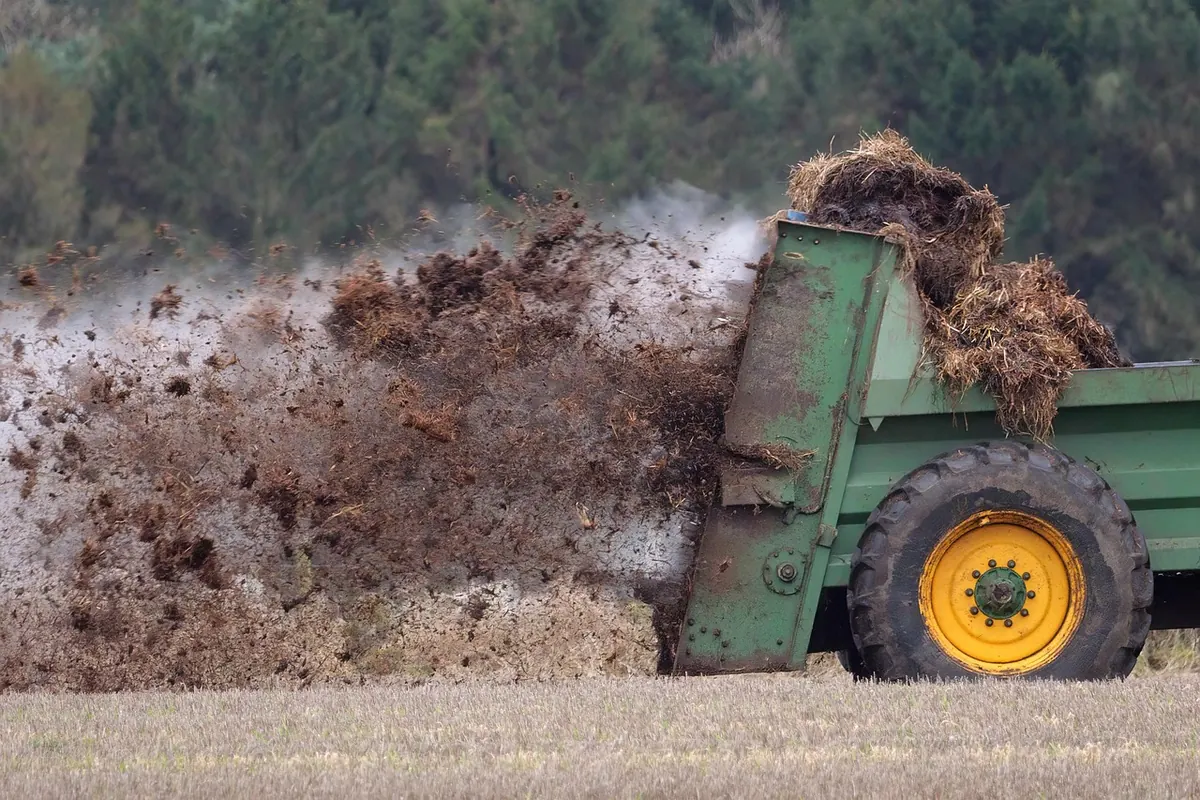
A practical guide to when muck goes on, how to get it right for your soil, and the local rules worth checking first.

Hedges, post-and-rail, stock netting and dry stone walls each suit different jobs — here is how to pick the one your...

Learn how to identify, harvest and cook spring stinging nettles safely, with simple steps for picking, blanching and...

A cozy nook for countryside living and nature..
