By mid-August the hedges start to sag. Blackberries darken along the tops of brambles, elderberries hang in heavy purple sprays, and the first haws turn from green to scarlet. It is the most generous fortnight of the year for anyone curious about wild fruit — and also the point where a little knowledge saves a lot of trouble. None of this is difficult, but hedgerow identification rewards patience. Learn a handful of species properly and you will eat well; guess at them and you will make something unpleasant, or worse.
Fruit that ripens early is a beginner's friend, because there is still plenty of leaf on the bush to check your identification against. Blackberries run from late July through September, with the best of them in the first half of August after a wet spell and a few warm days. Elderberries follow in late August and early September. Haws and rosehips colour up from September. Sloes are the latecomers — hard, blue-black and mouth-puckering until October, and better after a frost or a week in the freezer.
If you are learning, start with the early fruit. Waiting until November means identifying a bare, thorny twig in the rain, which is no way to begin.
Never taste-test an unknown berry to see what happens. That is not identification, it is gambling.
Bramble is the safest starting point, because it has no dangerous lookalike in Britain and Ireland. The fruit is a cluster of tiny segments that comes away from its white core in one piece when you pull it gently, leaving the core behind on the stem. Shape varies enormously — long and thin, squat and round, glossy, dull, occasionally part-red — but that structure never changes. Ripe blackberries are sweet-sharp and stain your fingers purple. Pick from waist height and above, and leave the low ones near dog-height stems alone.
Elderberries hang in flat-topped sprays on purplish, slightly woody stems. The leaves are opposite and pinnate: five to seven oval, sharply toothed leaflets, which smell rank when crushed. Ripe berries are small, glossy black, each with a single stone. Two cautions. Raw elderberries, and the stems and leaves, can cause nausea, so cook the berries and strip them from the stalks with a fork before use. And be sure you have the right elder: red elder carries bright red berries in domed, cone-shaped clusters rather than flat sprays, and it belongs nowhere near a saucepan.
Blackthorn is easy to spot once you know it: dense, dark and fiercely thorny, with small oval leaves and a spine at the tip of almost every twig. The fruit is a small, round, blue-black berry with a dusty bloom, one stone inside, and flesh so astringent it will dry your mouth instantly. Blossom appears before the leaves in spring, which is the best time to mark a good sloe hedge on a map. Come back in late October.
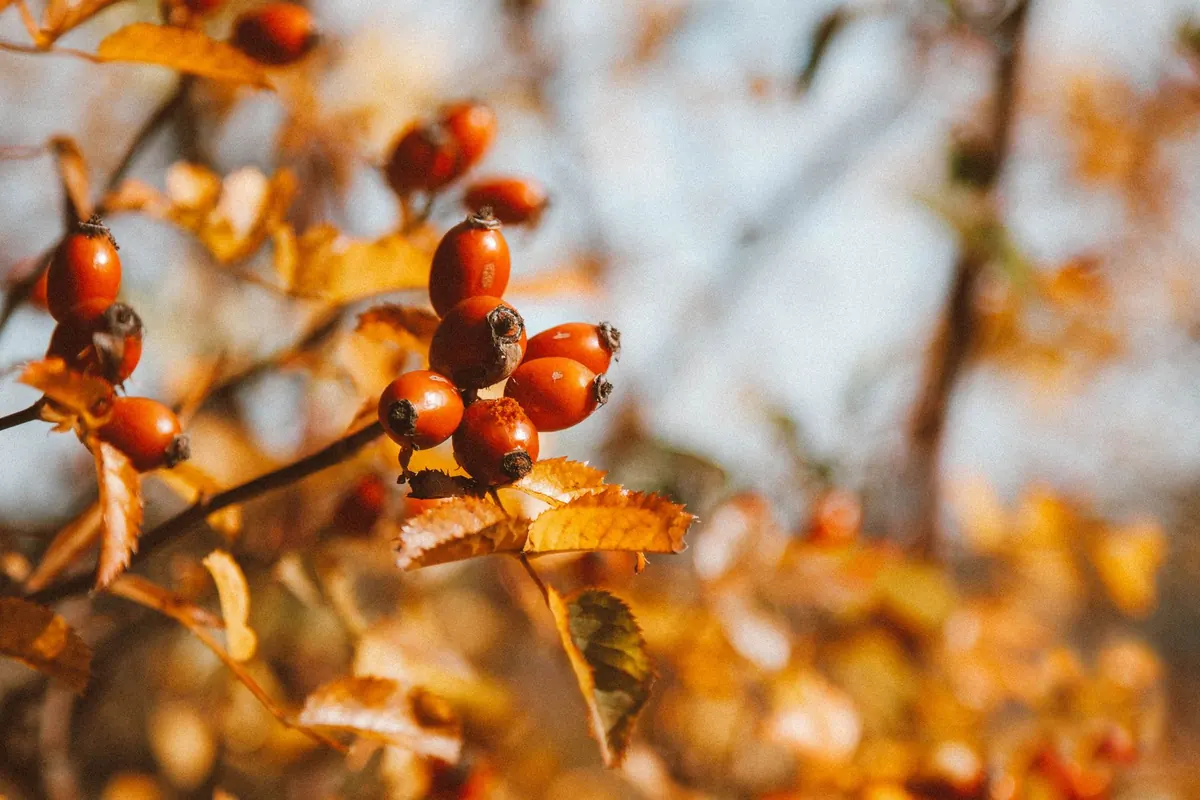
Haws are deep red, oval and hang in loose clusters among lobed leaves and short thorns. Cut one open and you will find a single stone surrounded by dry, mealy flesh. Eaten raw they are bland and slightly sweet — not a fruit for the bowl, but good for jelly, fruit leather and ketchup. Rosehips and rowan berries ripen alongside them and are worth identifying too, though both need cooking or straining: rosehip seeds are surrounded by fine hairs that irritate the throat, and rowan berries are far too sour raw.
Most poisonous hedgerow berries are red or black, which is why colour alone proves nothing. Get to know these and you will stop hesitating over them:
A pocket guide with clear photographs is worth more than any list, including this one. If someone swallows a berry you cannot identify, keep a sample and a photograph and speak to a doctor or poisons service straight away.
The best hedges are old ones — thick, layered, and cut on a three-year rotation rather than flailed to the bone each autumn. South-facing edges ripen first. Look along footpaths, field boundaries, the edges of quiet lanes and the corners of churchyards.
Skip anything growing within a few feet of a busy road, where dust and exhaust settle on the fruit, and avoid the margins of arable fields unless you know the farmer's spray regime. Picking a few berries for your own kitchen along a public footpath is widely accepted, but plants themselves are protected, and nature reserves and Sites of Special Scientific Interest often have their own rules. Ask before foraging on private land, and always check local guidance.
Use a shallow container rather than a deep bag, so the fruit does not crush itself into jam before you get home. Rinse everything, even fruit you plan to cook. Cook elderberries and rowan; freeze sloes or wait for frost; strain rosehips through a cloth, never a metal sieve. Keep your first batches small — a spoonful of something unfamiliar is a sensible test, since even edible wild fruit can upset a stomach in quantity. If you have a health condition, are pregnant, or are foraging for children, take advice from a qualified professional first.
Choose a single species this season — bramble is the obvious one — and learn it until you could recognise it from a moving car: the leaf, the thorn, the smell, the way the fruit comes away in your hand. Then add elder next year, and sloes the year after. Two or three fruits known thoroughly will fill your kitchen. A dozen half-known ones will fill a hedge with doubt.
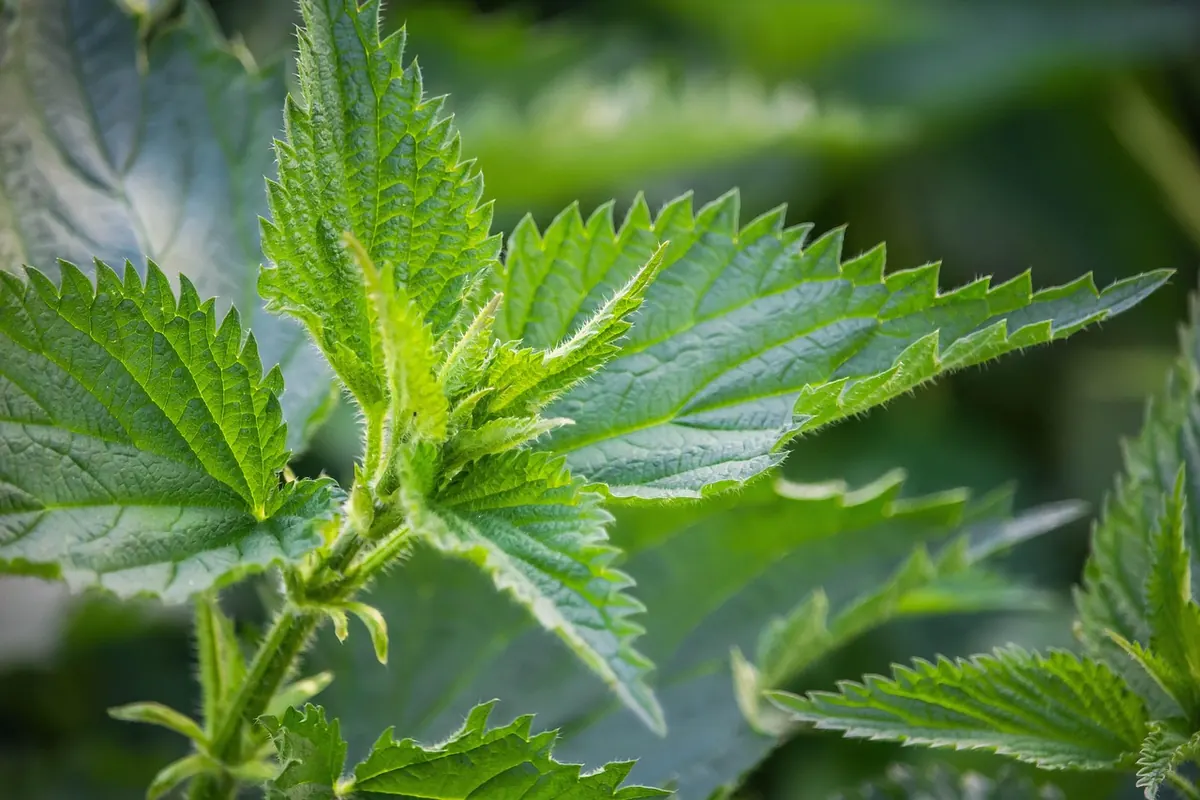
Photo: Vlad Ioan / Pexels
A practical checklist of the rural waste mistakes that cost you time, money and good neighbourly relations — from...
A practical guide to when muck goes on, how to get it right for your soil, and the local rules worth checking first.
Hedges, post-and-rail, stock netting and dry stone walls each suit different jobs — here is how to pick the one your...

A cozy nook for countryside living and nature..
